An SMM panel for YouTube is a single dashboard where creators order watch hours, subscribers and other engagement from one place. It is most useful to a channel that already has real content behind it, and this guide is as much about what it cannot do as what it can.
Why the Long-Form Path Needs Both Hours and Subscribers
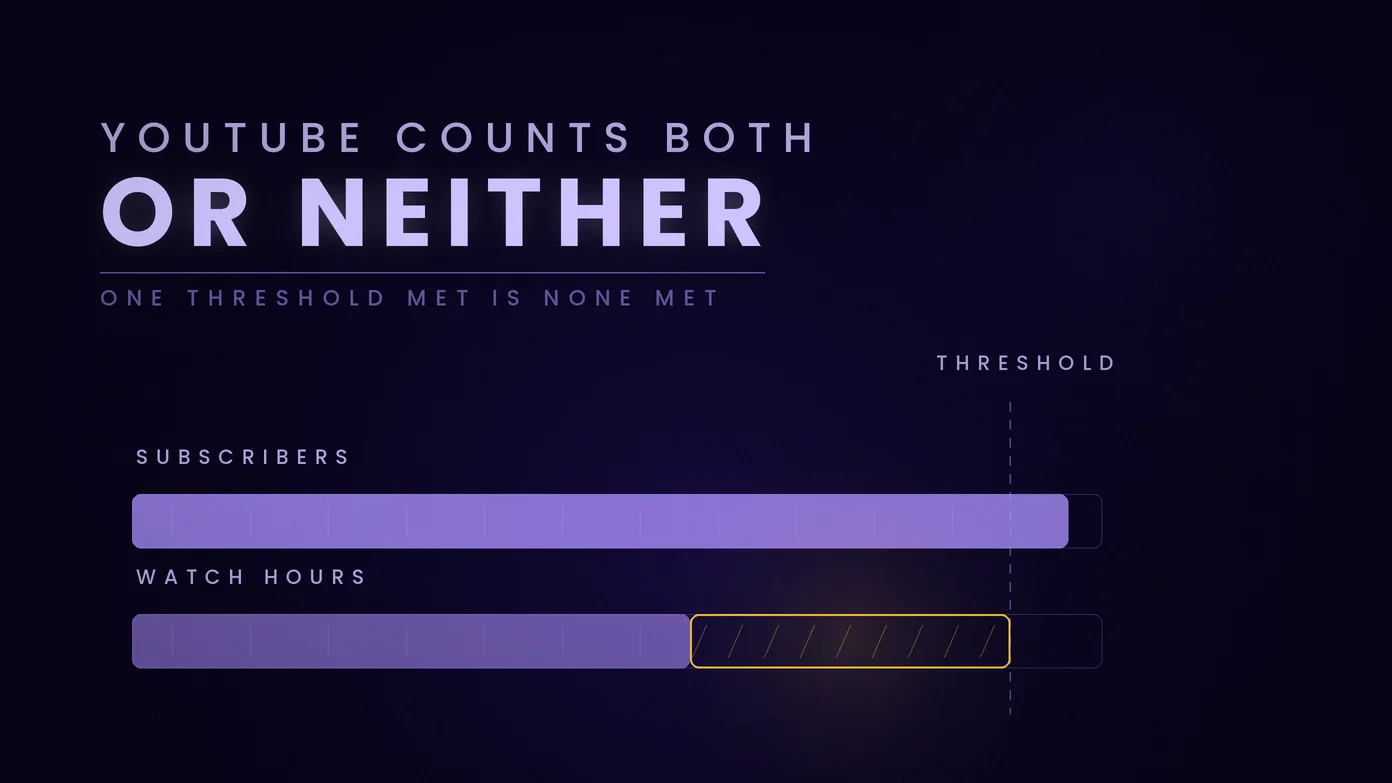
The YouTube Partner Program sets a clear bar. Read on its official YPP page on 14 October 2026, a channel needs 1,000 subscribers with 4,000 qualified watch hours in the last 12 months, or 1,000 subscribers with 10 million qualified Shorts views in the last 90 days, before it can earn from ads. From 1 February 2027, YouTube's YPP updates raise that bar for new creators to 8,000 qualified watch hours in the last 365 days, or 20 million qualified Shorts views in the last 90 days, still with 1,000 subscribers; channels already in the program keep their status. On the long-form path, subscribers and hours are not interchangeable: you meet both or you meet neither. The official YPP page also lists what else a channel needs to join: following YouTube's channel monetization policies, living in a country or region where the program is available, no active Community Guidelines strikes, 2-Step Verification on the Google account, advanced features access, and an AdSense for YouTube account linked to the channel.
The word that decides everything in that rule is "qualified". Only watch hours from long-form videos set to public count, and every channel that reaches the bar goes through a standard review against YouTube's monetization policies. That is the real limit of any SMM service, and it is worth stating plainly rather than burying: buying engagement can strengthen how a channel looks, but it does not decide what YouTube credits. YouTube does.
Watch time matters well past that gate. Watch time and viewer satisfaction are among YouTube's leading ranking signals for long-form video, so videos that hold attention earn more placement in Search, Suggested Videos and the Home feed, which brings more organic viewers and subscribers over time.
What an SMM Panel Actually Does
An SMM panel is a centralised dashboard where you buy social media engagement at listed prices. Instead of assembling growth across vendors, you order watch hours, subscribers, views, likes and comments from one place and track every order as it fills.
Ordering is short: pick a service, submit your public channel or video link, choose a quantity, check out. No password is ever required; we never ask for one. That single detail separates careful services from risky ones. Any panel that asks for your account password is a channel-safety problem before it is anything else.
Boostero's YouTube services cover the metrics creators actually chase, in several delivery styles you can match to a goal:
- Buy YouTube watch hours for shorter videos and for videos over an hour long
- Subscribers, with non-drop and country-targeted options
- Views, including high-retention tiers
- Likes, comments, shares and Shorts views services
What we do not claim: that purchased engagement is certain to be counted by YouTube toward monetisation, or that it keeps engaging with your channel after delivery. Each service states the terms that apply to it, including quality grade and refill coverage, before you order, and those terms are the thing to read rather than any promise made around them.
Where a Panel Helps and Where It Does Not
A panel is useful in a specific situation: a channel with content worth watching and a count of zero. An order changes the numbers a visitor sees; whether the recommendation system tries the video on a wider group is YouTube's call, not ours.
It is not useful as a replacement for the content. Watch time delivered to a video people leave after twenty seconds does not create the retention signal the system is measuring. The order changes the number, the video decides what happens next.
The honest summary of the monetisation question: a panel can help a channel look established, but discovery is YouTube's call, and the Partner Program is decided by YouTube's own review of what qualifies. Treat monetisation as something you work toward, not something a panel delivers.
A Workflow That Keeps This Disciplined
Growing a channel this way works when it is a process rather than a purchase. Six steps, in order:
- Name the target. Use YouTube Studio's progress tracker to see exactly how far you are from 1,000 subscribers and the watch-hour bar (4,000 qualified hours until 31 January 2027, 8,000 for new creators from 1 February 2027), and write both numbers down before ordering anything.
- Start with the metric you are furthest from. Check which gap is larger for your channel, watch hours or subscribers, and order against the gap, not against the catalogue; YouTube decides which hours count.
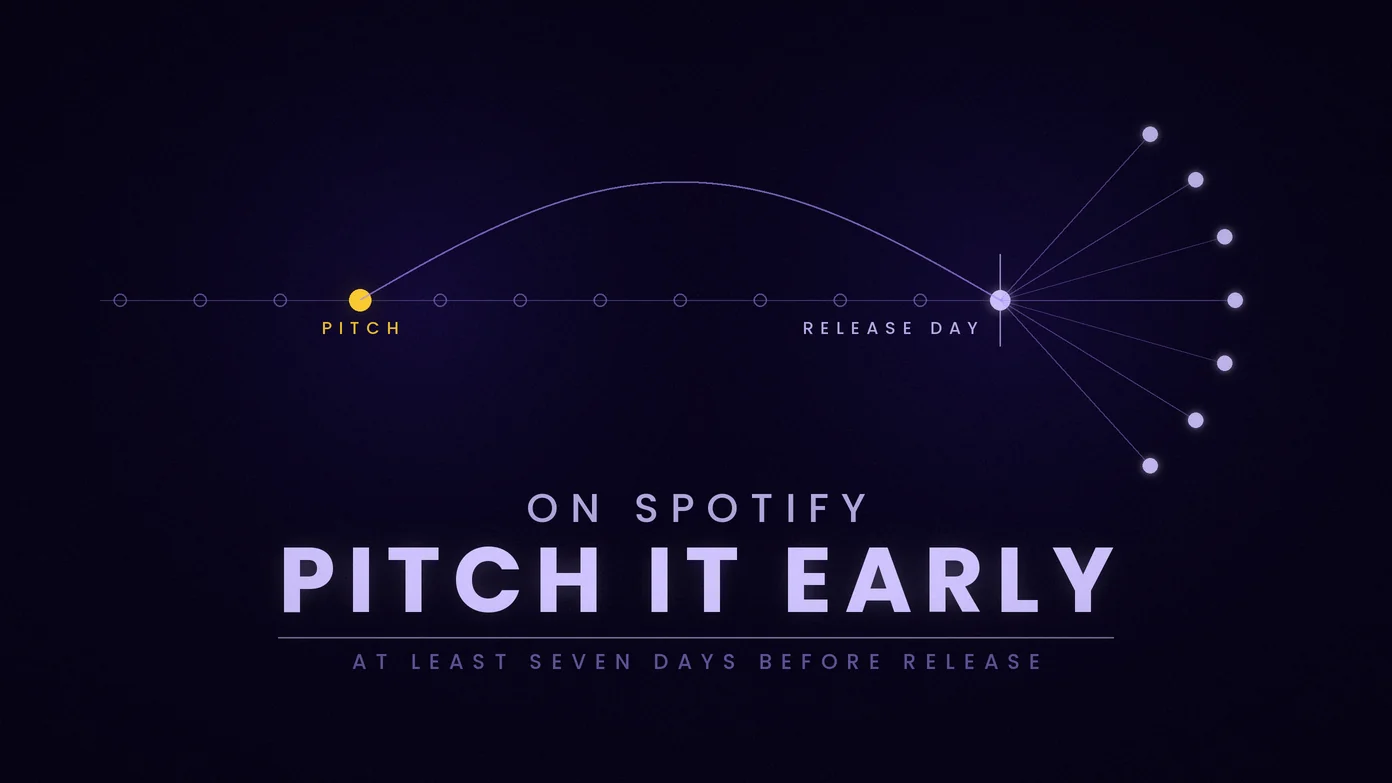
- Choose a pace, not only a quantity. Where a service offers drip-feed, paced delivery over days lets you see in Studio what each part of an order does before the rest arrives.
- Place a small first order. One service, one link. Judge the provider on delivery pace and support response, not on the number at the end.
- Watch Studio, not the panel. The number in the panel tells you what the supplier reported. Average view duration and impressions click-through in YouTube Studio tell you whether it did anything.
- Keep uploading. Every step above assumes new content is still arriving. A panel applied to a dormant channel buys a number and nothing else.
Choosing a Provider
The criteria that separate a careful provider from a careless one are short and checkable before you spend anything:
- No password, ever. A public link is enough. A request for credentials answers the question by itself.
- Paced delivery as an option where you need it, not a single speed.
- Refill terms in writing, shown on the service before you order rather than described in general.
- Transparent order tracking, so you can see status rather than ask for it.
- Support you can test before you buy, not after something goes wrong.
- A catalogue that is maintained, with services described in enough detail to compare.
Boostero covers all six, with drip-feed on some services rather than all, serves customers in 125+ countries, and reports a 99.7% order completion rate, which counts the status suppliers report and leaves out orders cancelled or left partial because the link entered does not exist. That figure says nothing about YouTube outcomes, which is a distinction worth keeping straight when comparing providers.
If you want the wider version of this checklist, our guide to finding a safe SMM panel goes through what a provider should be able to show you and what it should never ask for.
Frequently Asked Questions
Is using an SMM panel safe for my YouTube channel?
Each platform sets its own rules, so no panel can promise how YouTube will treat a channel. We never ask for your password, and each service states the terms that apply to it, including quality grade and refill coverage, before you order.
How quickly can a panel help me reach 4,000 watch hours?
No provider can promise a date. A panel order adds watch time to your videos; whether YouTube counts it toward the 4,000 qualified watch hours, or the 8,000 that new creators need from 1 February 2027, is YouTube's decision. How long an order takes depends on its size and the service; most services state an estimated start time before you order. Only qualified watch time, from long-form videos set to public, counts toward the Partner Program, so treat this as support for progress rather than a fixed date.
Can I buy YouTube subscribers and watch time at the same time?
Yes. The long-form YPP path requires both, and a dashboard lets you place and track multiple orders at once. YouTube still decides what qualifies, and ordering both at once does not change that review.
Will buying watch time help my videos rank higher?
Watch time and viewer satisfaction are among YouTube's leading ranking signals for long-form video, so a stronger watch time profile can support placement in Search, Suggested Videos and the Home feed. The limit is the video: the system is measuring whether people stay, and no order changes what happens after someone clicks.
What is the difference between watch hours and views?
A view counts an impression that turned into a play. A watch hour counts time actually spent. The long-form YPP threshold is measured in hours, not views, which is why a channel with a large view count can still be far from the bar. The two services answer different problems and are worth ordering separately: watch hours and views.
How do I use an SMM panel responsibly?
Three habits: choose a provider that delivers through public links and never asks for your password, order against a gap you have actually measured rather than a number you like, and keep publishing while orders run. Used that way a panel supports a channel that already has a foundation. Used instead of one, it produces a number and no audience.
Start With the Gap You Measured
The Partner Program asks for two things at once, and your channel may be much further from one than the other. Open Studio, write down both distances, and order against the larger one first.
When you are ready, our YouTube services cover watch hours, subscribers, views and Shorts from a single dashboard; we never ask for your password, and drip-feed is available on some services. What YouTube credits is still YouTube's decision, and any provider that tells you otherwise is describing something it does not control.