SMM panels are real services, and what they deliver runs from basic to Real accounts, depending on the tier you pick. A panel that names the tier before you pay lets you check what you are buying; one that does not leaves you to take its word.
We run a panel, Boostero, so this guide is written from the seller's side. It separates what an ethical panel can tell you before you pay, which you can check, from what no panel can tell you, and it starts with the word in the question: real.
What "Real" Means on an SMM Panel
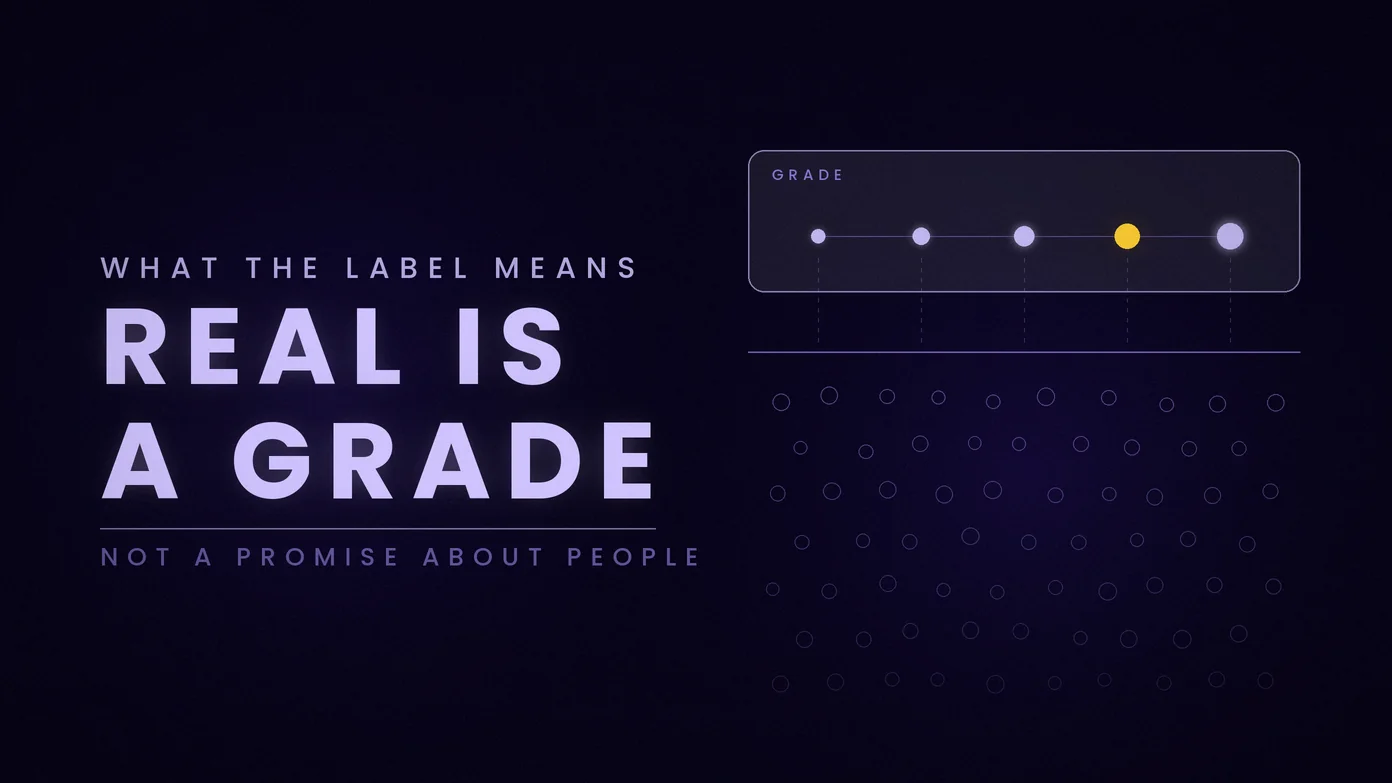
On the grade scale our Instagram follower services carry, Real is one of the tiers you pick from, not a promise about people. Our Instagram followers page explains the scale from weakest to strongest: Medium quality marks basic accounts, the entry label on the supplier's scale; High, Premium and Real accounts are each a further step up on account standard; and Super Real accounts are established profiles carrying their own followings. The page lists two more labels apart from the scale, under the heading "Different delivery method, not a higher tier": Real from ads, whose description states that delivery runs through ad campaigns, and Verified accounts, which carry a verification badge and come in small volume.
So Real, on that scale, names a step of account standard. It describes the account, not the reason it followed you, and a photo, posts and a bio show what an account shows, not who runs it. When any panel says real, ask which it means: a grade on a scale, like our Real accounts, or a claim about people that no profile can prove. It helps to hold the grades next to two familiar lists.
Followers who chose you
- Watch your content to completion
- Leave thoughtful comments
- Save posts for later reference
- Share content with their networks
- Click through to your profile and links
Fake followers
- Never engage beyond the initial follow
- Come from unrelated geographic regions
- Follow and unfollow in suspicious patterns
- Have incomplete profiles or generic usernames
- Tank your engagement rate by inflating follower count
A follower that arrives through an order is not in the first list, whatever its grade: it followed because of the order, not because it found you. What the grade adds is a description of the account on the supplier's scale, from basic accounts to established profiles with followings of their own. That is worth knowing and worth checking, and it is still a statement about the account. Growing the first list is the work of organic social media growth, which has a post of its own.
The Vanity Metrics Trap
Vanity metrics are the numbers that look impressive in a report but say little on their own about intent or revenue: follower count, raw like totals and impression volume. A big follower count feels good, we get it. The problem is what it hides.
A follower count can include accounts that are inactive or never respond. A like total does not show saves, shares or any intent to buy: someone can double-tap a post while scrolling past it. And impressions mean little without the engagement behind them; 100,000 impressions and 50 likes say the post was shown often and rarely acted on.
Engagement rate puts the count in context. For example, an account with 10,000 followers and a 4% engagement rate gets 400 interactions per post (10,000 x 4%), while an account with 100,000 followers and a 0.3% rate gets 300 (100,000 x 0.3%). The account with ten times the followers gets fewer interactions on each post.
Here is how the platforms describe their own ranking. TikTok's explanation of its For You feed, published in June 2020, says a video from an account with more followers is likely to receive more views because of that larger follower base, but that "neither follower count nor whether the account has had previous high-performing videos are direct factors in the recommendation system."
Instagram's 2023 explanation of its ranking says that in Feed, the five interactions it looks at most closely are how likely you are to spend a few seconds on a post, comment on it, like it, share it and tap on the profile photo, and it lists how popular a post is among Feed's signals; for Reels, it considers "popularity signals such as number of followers or level of engagement". YouTube's help page on recommendations lists its primary signals as the viewer's own watch history, search history, channel subscriptions, likes and dislikes, their "Not interested" and "Don't recommend channel" choices, and satisfaction surveys.
Each explanation centres on predicting what the person scrolling will do next, from many signals the platform weighs itself. An order can change the counts on a profile or a post, and no panel can promise that a delivered follower will watch, like or share. What a platform does after an order, and who it shows a post to next, is decided inside the platform, where no panel can see.
What Buying Fake Followers Actually Costs
Bot followers are tempting, and it is easy to see why: they cost little, they arrive fast, and they make a profile look established. Here is what they cost in terms you can check.
- Engagement rate dilution: If you have 5,000 followers who chose you and a 3% engagement rate, that is 150 interactions per post. Add 10,000 accounts that never interact and the same 150 interactions now sit on 15,000 followers, so your rate reads 1%. Anyone who divides your interactions by your followers sees the drop, and the arithmetic is the same for any follower who does not interact, however it arrived.
- A visible gap: A count that grew without the comments and replies to match shows the gap to anyone who opens a few of your posts.
- What the platforms say: Meta's Community Standards, which cover Facebook, Instagram, Messenger and Threads, list among the spam they do not allow "attempting to or successfully selling, buying, or exchanging for engagement, such as likes, shares, views, follows, clicks". YouTube's fake engagement policy treats engagement as illegitimate, for example, "when the sole purpose of the engagement is financial gain", and says any method that breaks its policies "may result in content removal or a channel takedown, whether it's an action taken by you or someone you've hired". TikTok's For You explanation says spam content, "such as videos seeking to artificially increase traffic", may be ineligible for recommendation.
None of these texts makes an exception for a panel, ours included, or for a grade, a delivery pace or an order size. Each platform sets its own rules, so no panel can promise how a platform will treat an account. Our terms say what that means for your money: we are not responsible for actions a platform takes against your account or content, and we do not give refunds or compensation for them.
What an Ethical SMM Panel Tells You Before You Pay
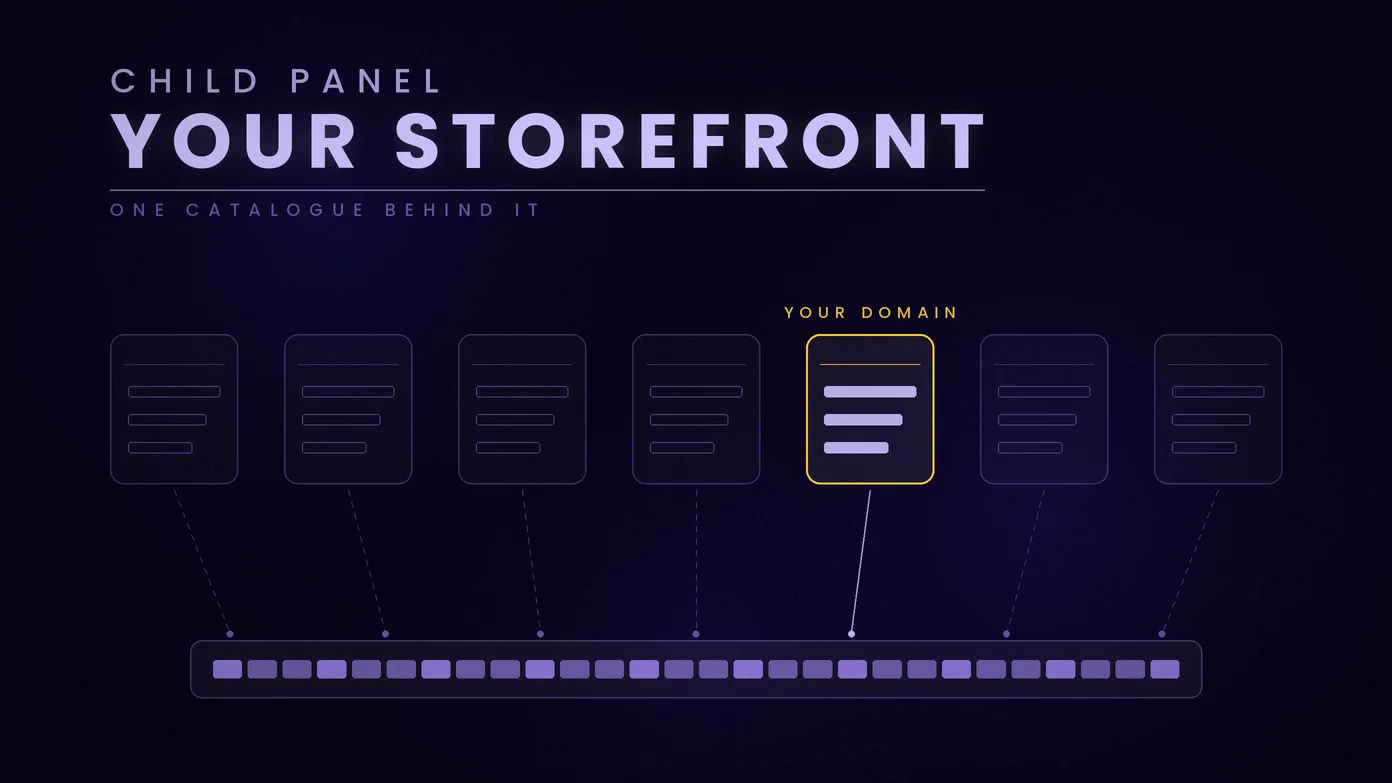
An ethical panel cannot sell you followers who chose you. What it can do is state, on each service and before you pay, the terms you are buying, so you can check them instead of trusting them. These are the ones to look for, with what our own catalogue showed on 20 October 2026, when our public services list held 1,655 services and our Instagram followers page listed 98 follower services.
- Account grade: The grade of the accounts a service delivers, named before you order. That is a claim about the accounts, which you can check, not a promise about why they engaged. On 20 October 2026, all 98 Instagram follower services named a grade on the scale or one of the two labels kept apart from it; the table below shows how they split.
- Refill terms: Whether a drop within a stated period can be refilled. On 20 October 2026, 79 of the 98 Instagram follower services stated a refill period and 19 stated no refill, and none was described as non-drop. A refill period means a drop within it can be refilled, not that drops will not happen; our guide to refill in an SMM panel covers how it works.
- Drip-feed, where a service offers it: Delivery spread over hours or days instead of in one go. It is a feature of some services, not of every order: on 20 October 2026, 2 of the 98 Instagram follower services offered it, as did 43 of the 1,655 services in the whole catalogue. The order form shows whether the service you pick has it.
- An estimated start window: When an order is expected to begin. On 20 October 2026, 1,547 of the 1,655 services in our catalogue stated one. A start window is an estimate, not a commitment.
- Country, where a service offers it: On our Instagram followers page, services that draw followers from a named country or region state the country on the service, and, as the page puts it, the country decides where the accounts are from, not who sees your posts.
- No password: We never ask for your password, and when we read the catalogue on 20 October 2026, no service name or description in it asked for one. An order needs a public username or a link.
| Label named in the service | Instagram follower services, 20 Oct 2026 | With a refill period | No refill |
|---|---|---|---|
| Medium | 1 | 1 | 0 |
| High | 29 | 21 | 8 |
| Premium | 13 | 9 | 4 |
| Real Accounts | 22 | 15 | 7 |
| Super Real Accounts | 31 | 31 | 0 |
| Real From Ads, apart from the scale | 1 | 1 | 0 |
| Verified, apart from the scale | 1 | 1 | 0 |
| All labels | 98 | 79 | 19 |
The table reads two ways. On 20 October 2026 every grade on the Instagram followers scale, from Medium to Super Real, was for sale with refill terms stated, and so were the two labels kept apart from it, so the grade is a choice you make, not a hidden variable. And refill belongs to the service, not to the grade: High, Premium and Real Accounts each included services with no refill on 20 October 2026.
How we counted: we read our public services list and each service's description on 20 October 2026, took each service's label from its name, as our followers page does, and took drip-feed from that day's catalogue snapshot. The catalogue changes week to week, so these are the counts of that day.
What No Panel Can Tell You
This list is shorter, and it is where an honest panel says no.
- Why an account followed or liked: The grade describes the account, not the reason it engaged, and for an account that arrived through an order, the order is the reason.
- What a platform will do with an order: Reach, recommendations and enforcement are decided inside the platform, under its own rules. That is the platform's call, not ours, and a panel that says otherwise is selling an outcome it does not control.
- How long a delivered follower stays: A refill period says what can happen if the count drops within it. Nobody can tell you how an account will behave, inside that period or after it.
- Whether a bigger number brings customers: A count is what people see on the profile. Sales, sign-ups and bookings depend on what they find when they look closer.
If a panel's page answers any of these four with a promise, you have learned something about the panel.
How to Check a Panel, Ours Included, Before You Order
- Step 1: Measure your engagement rate before you order: (likes + comments + saves + shares) divided by followers, x 100. Write it down. It is the baseline you compare against later, not a benchmark someone else set.
- Step 2: Read the service, not the headline. Before you pay, find the grade, the refill line and the start window on the service itself, and check the order form for drip-feed if you want delivery spread out.
- Step 3: Read the panel's terms and refund policy before you sign up, including what happens to your money if the supplier cancels an order. On our terms, if the supplier cancels an order, the full amount goes back to your balance. Our post on what to check before you order goes through the rest.
- Step 4: Never give a password. A panel needs a public username or a link, never your login.
- Step 5: Start small, then compare. Place a small order first, track it from your dashboard, and compare your engagement rate after delivery with the baseline from step 1.
Frequently Asked Questions
Is an SMM panel real?
SMM panels are real services, and what they deliver runs from basic to Real accounts, depending on the tier you pick. A panel that names the tier, the refill terms and the start window before you pay lets you check what you are buying; what a platform then does with an order is the platform's call.
Are followers from an SMM panel real people?
A panel can tell you the grade of the accounts, from basic accounts up to established profiles with followings of their own. A photo, posts and a bio show what an account shows, not who runs it. Whatever the grade, a follower that arrives through an order followed because of the order, not because it found you.
What makes an SMM panel ethical?
An ethical SMM panel is transparent about what each service delivers: which account grade, with what refill terms and when it is expected to start, all stated before you pay. It does not promise permanence or pretend purchased engagement is the same as earned loyalty, and it operates as an open business you can contact. The test is simple: everything the panel claims should be checkable from the outside.
Does buying followers help your reach?
No panel can tell you that, because reach is decided inside each platform, under its own rules; the section on what buying fake followers costs quotes Meta's and YouTube's. An order changes the count people see on a profile; what a platform does next, including who it shows a post to, is the platform's call, and a panel that promises more reach is selling an outcome it does not control.
How do I check if an SMM panel is legit?
Look for what can be checked before you pay: public terms and a refund policy, the grade and refill terms on each service, a start window, a public username or link instead of a password, and a way to reach support. Then place a small order and compare the result with your own baseline. Our guide to spotting SMM panel scams covers the warning signs.
Is there such a thing as ethical social media marketing?
Yes. Ethical social media marketing means honest promotion without manipulative tactics: clear disclosure of paid partnerships, accurate product representation, genuine audience engagement and responsible data practices. For a brand that wants to keep its audience's trust, it is an approach that stands up to scrutiny.
Growth You Can Defend
Sound growth is the kind you can defend: numbers that hold up when someone checks the engagement behind them. If you order, order what you can check, use drip-feed where a service offers it and you want a gradual rise, and measure the result against your own baseline instead of a promise. When you're ready, the services page is public, and each service states the terms that apply to it, including quality grade and refill coverage, before you order.